Quick answer: a medical centre cleaning checklist should cover patient flow from entry to treatment rooms, then separate presentation tasks from hygiene-sensitive tasks. Include reception, waiting areas, consult rooms, treatment rooms, bathrooms, staff rooms, touchpoints, waste responsibilities, consumables, reporting, and after-hours access.
Map the checklist to patient flow
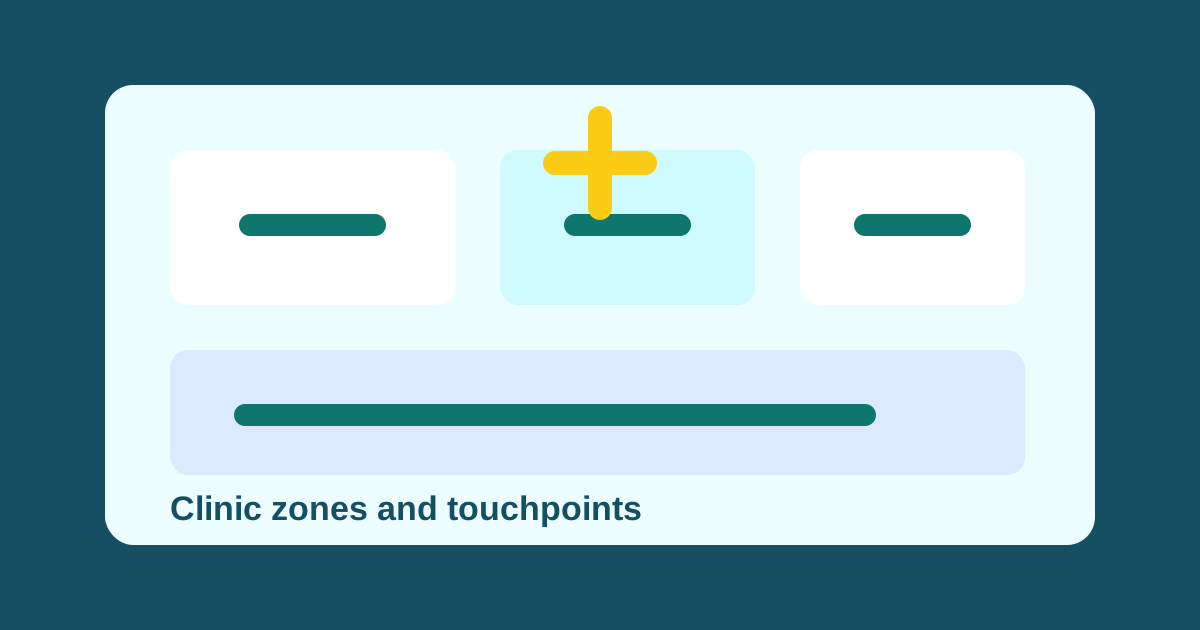
Medical centres need cleaning routines that support patient confidence and clinical operations. Reception and waiting rooms create the first impression, treatment rooms need careful touchpoint attention, bathrooms affect trust quickly, and staff areas influence team wellbeing. The checklist should follow how patients, practitioners, and cleaners move through the site.
- Reception and waiting area: entry glass, counters, chairs, side tables, floors, bins, and shared touchpoints
- Treatment and consult rooms: beds, chairs, counters, sinks, handles, switches, floors, and room reset requirements
- Bathrooms: fixtures, floors, mirrors, bins, dispensers, touchpoints, odour, and consumable checks
- Staff areas: kitchen surfaces, tables, appliances, lockers, bins, and hand hygiene supplies
- Reporting: damaged fixtures, low consumables, access issues, unusual waste, maintenance concerns, and recurring misses
Separate routine cleaning from clinical responsibilities
A cleaning checklist should clarify what cleaners do and what remains with clinical staff or specialist providers. Sharps, clinical waste, contaminated materials, instrument areas, and infection-control protocols need clear ownership. The aim is not to blur responsibilities; it is to make every responsibility visible.
FAQ for medical centre cleaning
- How often should a medical centre be cleaned? Many clinics need daily cleaning, with frequency adjusted for patient volume, procedure type, and room turnover.
- Should cleaning happen after hours? Often yes, because after-hours work reduces disruption and allows a more complete room reset.
- What should be checked in treatment rooms? Touchpoints, counters, sinks, floors, bins, patient chairs, practitioner contact points, and room-specific notes.
- Do all medical centres need the same checklist? No. Dental, allied health, GP, specialist, and day procedure settings all need tailored scopes.
Author and review note
Written by the Cleaningly Team for Melbourne practice managers and clinic operators. The checklist should be reviewed by the clinic lead against the site’s own infection-control, waste, and room-use requirements.
Procurement assets
Downloadable tools for comparing cleaning providers
Use these templates to make scope, price, evidence, and assumptions visible before you award a cleaning contract.
Scope one-pager
Print a one-page daily, weekly, monthly, and quarterly scope template with exclusions and owner notes.
Quote scorecard
Score providers side by side on labour hours, inclusions, quality assurance, insurance, reporting, and rectification.
Cleaning scope template
Define areas, tasks, frequencies, exclusions, consumables, and evidence requirements before requesting quotes.
Quote comparison sheet
Compare providers on price, scope coverage, assumptions, escalation, insurance, and mobilisation risk.
Site-walk checklist
Capture access, zones, waste, touchpoints, periodic work, and hazards during a supplier walkthrough.
RFP questions
Ask cleaning suppliers about staffing, scope control, documentation, sustainability, and issue escalation.
Take the next step
Get a structured cleaning plan designed for your site, risk profile, and service level.
Prefer to call? 0480 039 477