Quick answer: most offices need cleaning between two and five times per week, with daily service for larger, client-facing, or high-use workplaces. Bathrooms, kitchens, bins, meeting rooms, and touchpoints usually need more frequent attention than desks, edges, glass detail, and periodic deep cleaning.
Start with how the office is used
Floor area matters, but it should not drive the whole schedule. A compact office with heavy kitchen use and frequent client meetings may need more service than a larger, low-traffic office with mostly remote staff. Frequency should follow the parts of the workplace that decline fastest and matter most to staff confidence.
- Two to three cleans per week can suit small, low-traffic offices with limited amenities
- Three to five cleans per week often suits medium offices with regular staff attendance and shared kitchens
- Daily cleaning is often appropriate for larger offices, client-facing sites, busy bathrooms, or high meeting-room use
- Periodic deep cleaning should be scheduled separately for carpets, glass, edges, bathroom detail, and high dusting
Use zones to shape the schedule
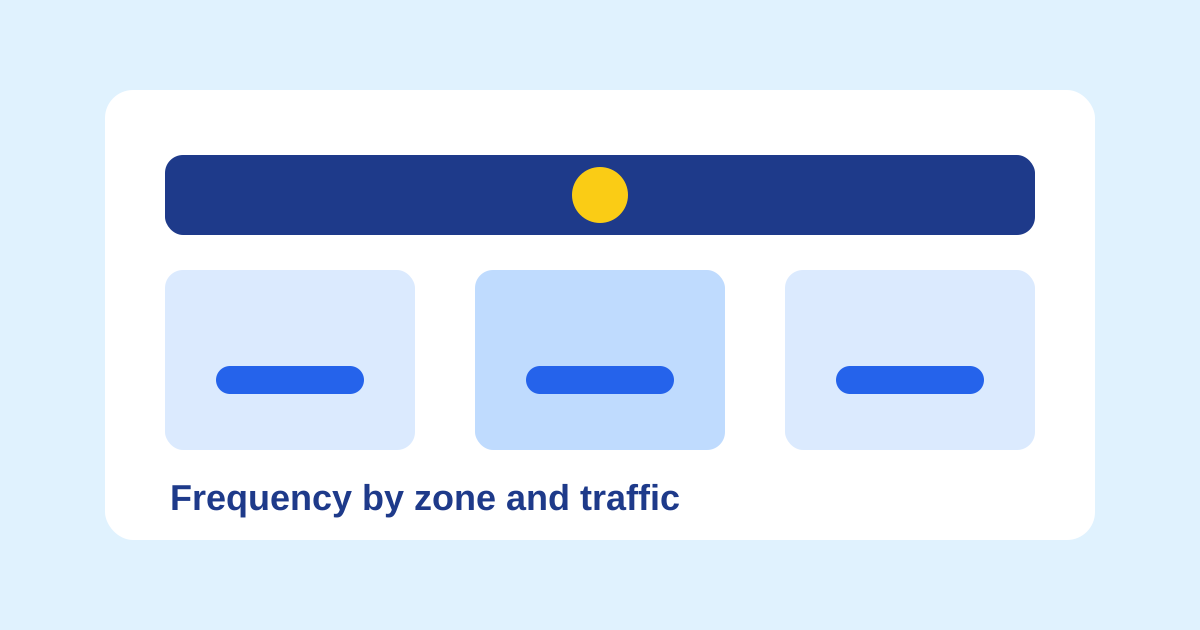
A useful cleaning schedule is not one frequency for every task. Bathrooms, kitchens, reception, bins, and touchpoints may need every-visit attention. Workstations, internal glass, skirting, and detailed dusting can often rotate weekly or monthly. This keeps the office presentable without wasting budget.
FAQ for office cleaning frequency
- Does a hybrid office need less cleaning? Sometimes, but bathrooms, kitchens, and peak attendance days still need reliable service.
- Is daily cleaning always necessary? No. Daily cleaning is best when traffic, hygiene risk, or presentation expectations justify it.
- What should be cleaned every visit? Bathrooms, kitchens, bins, reception, high-touch points, and visible floor issues are common priorities.
- When should frequency be reviewed? Review it after headcount changes, seasonal illness, complaints, tenancy changes, or a shift in client visits.
Author and review note
Written by the Cleaningly Team for Melbourne office managers and workplace leads. Review frequency with an operations lead after a site inspection so the schedule reflects real use rather than assumptions.
Procurement assets
Downloadable tools for comparing cleaning providers
Use these templates to make scope, price, evidence, and assumptions visible before you award a cleaning contract.
Scope one-pager
Print a one-page daily, weekly, monthly, and quarterly scope template with exclusions and owner notes.
Quote scorecard
Score providers side by side on labour hours, inclusions, quality assurance, insurance, reporting, and rectification.
Cleaning scope template
Define areas, tasks, frequencies, exclusions, consumables, and evidence requirements before requesting quotes.
Quote comparison sheet
Compare providers on price, scope coverage, assumptions, escalation, insurance, and mobilisation risk.
Site-walk checklist
Capture access, zones, waste, touchpoints, periodic work, and hazards during a supplier walkthrough.
RFP questions
Ask cleaning suppliers about staffing, scope control, documentation, sustainability, and issue escalation.
Take the next step
Get a structured cleaning plan designed for your site, risk profile, and service level.
Prefer to call? 0480 039 477